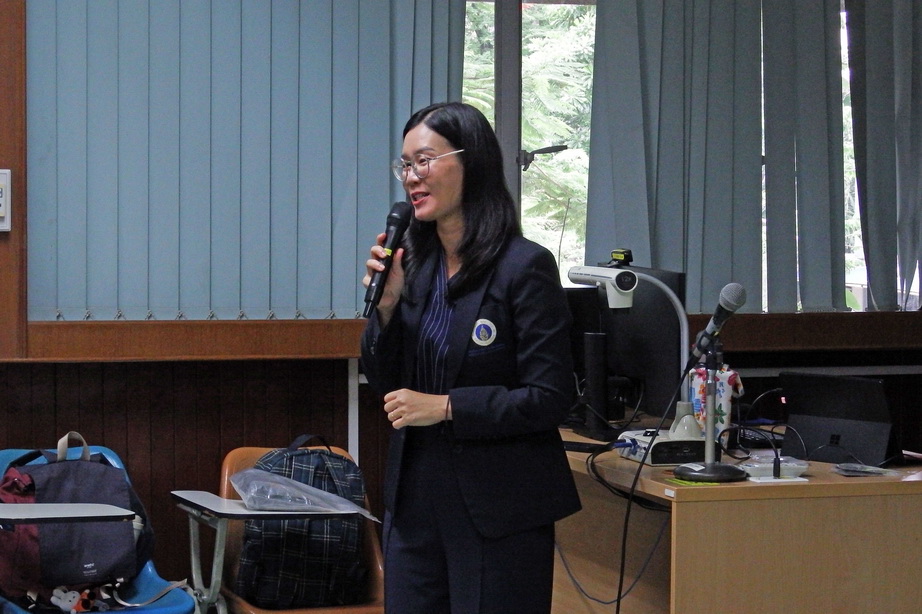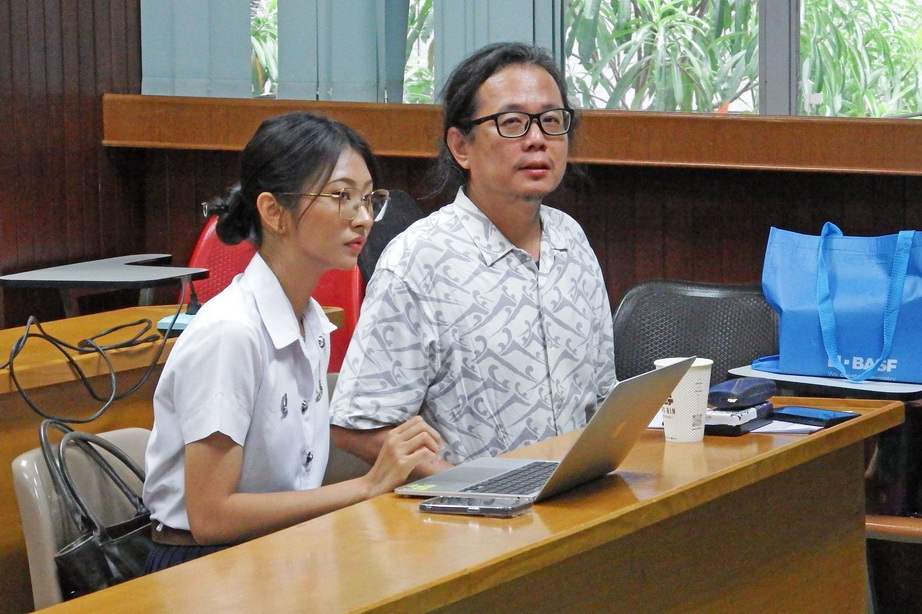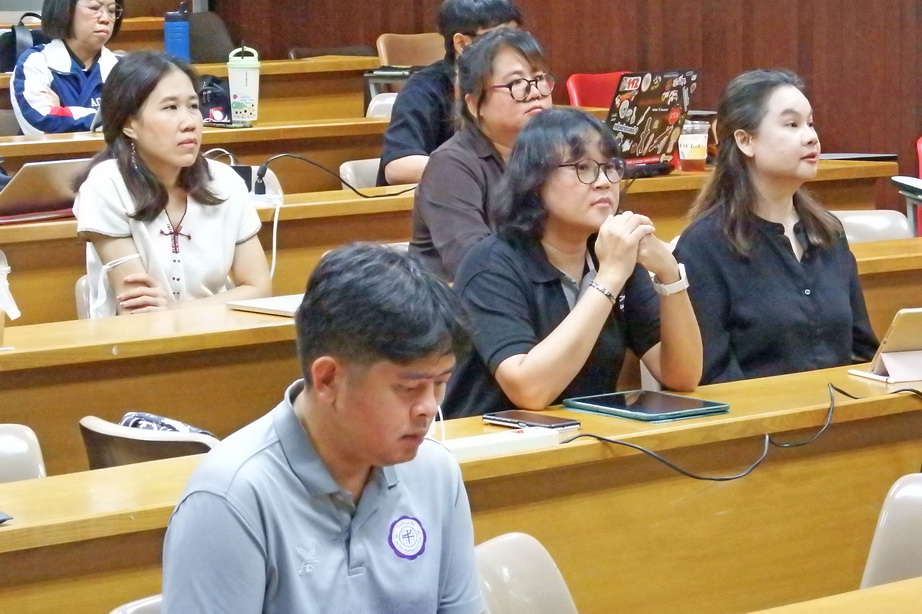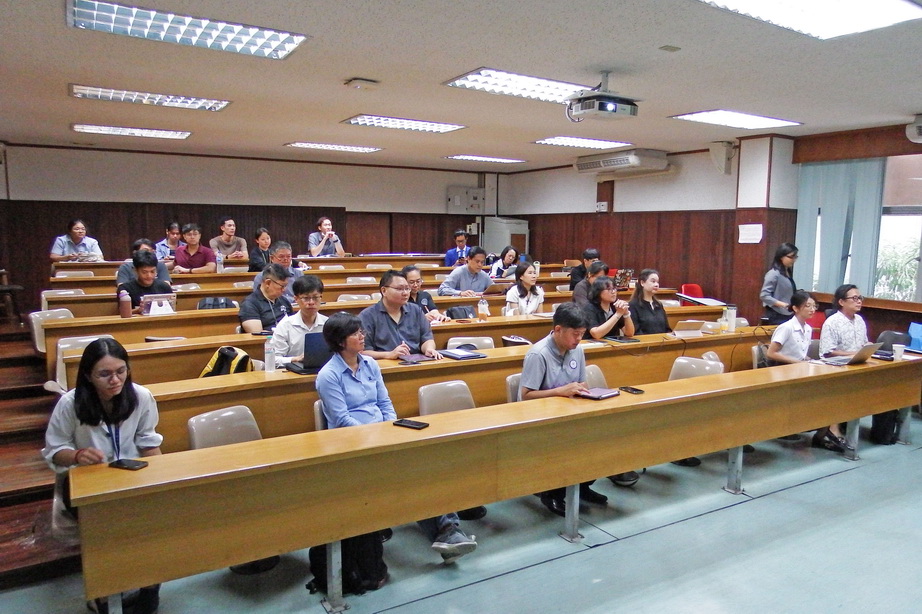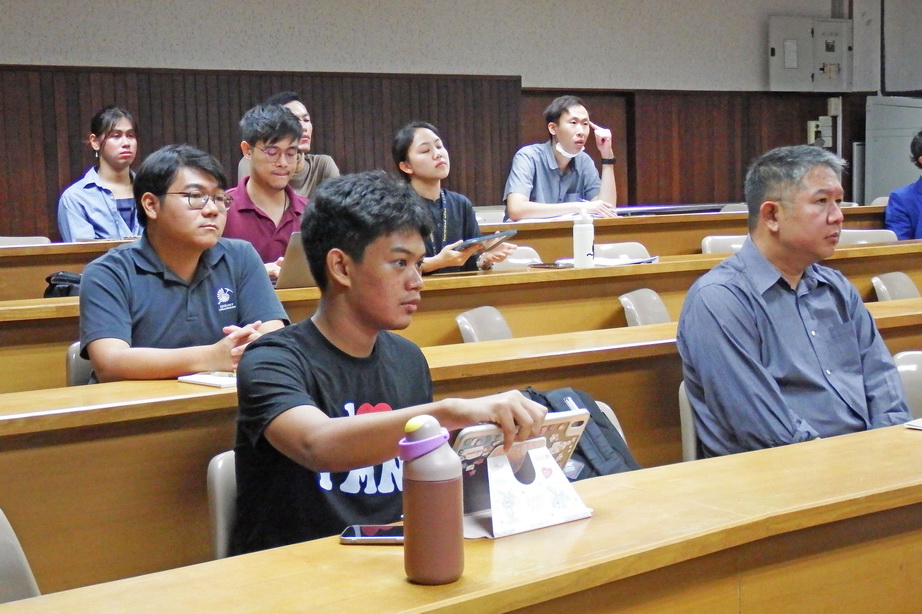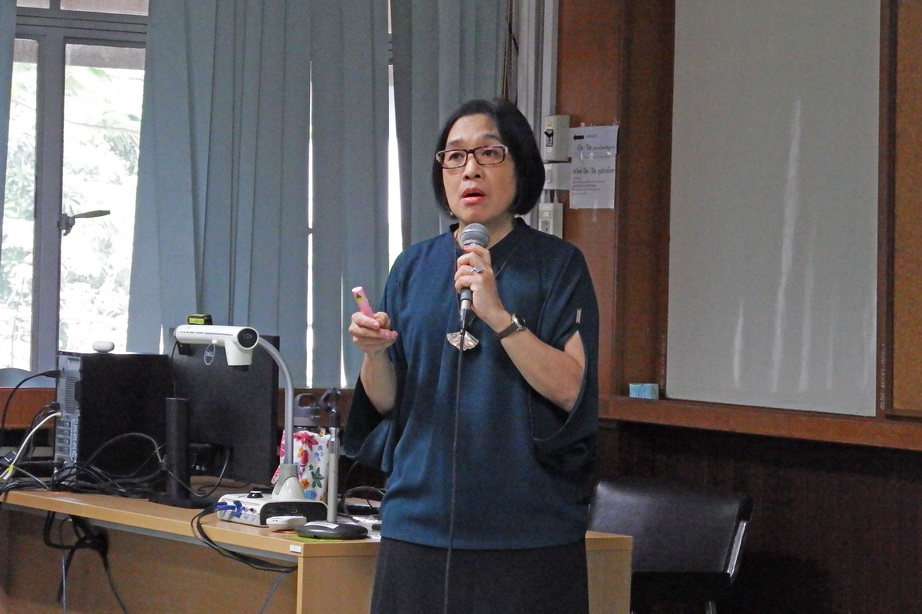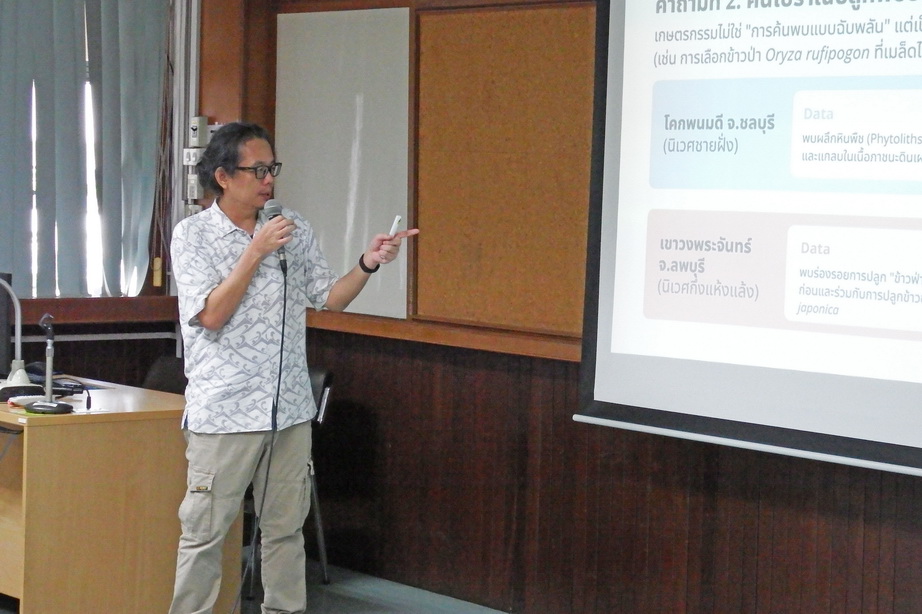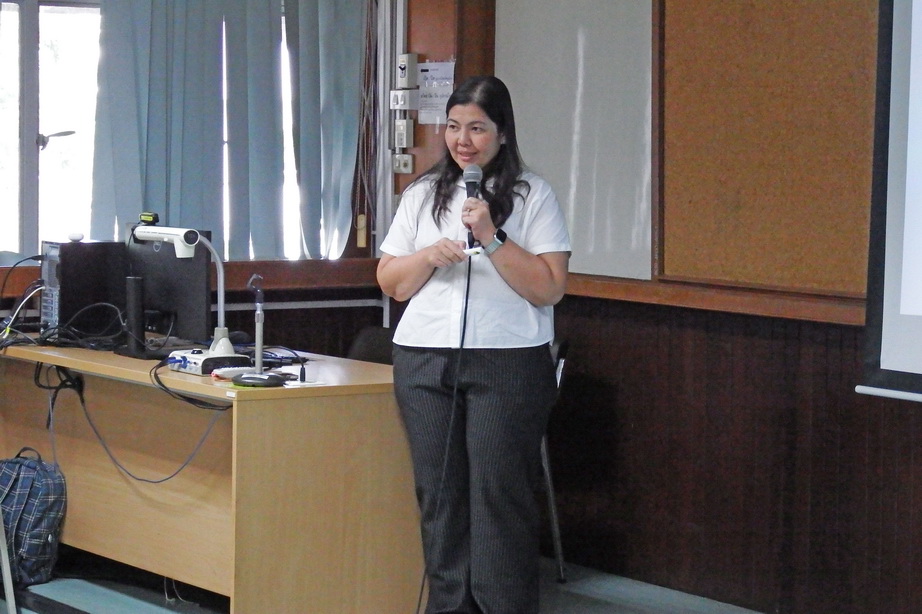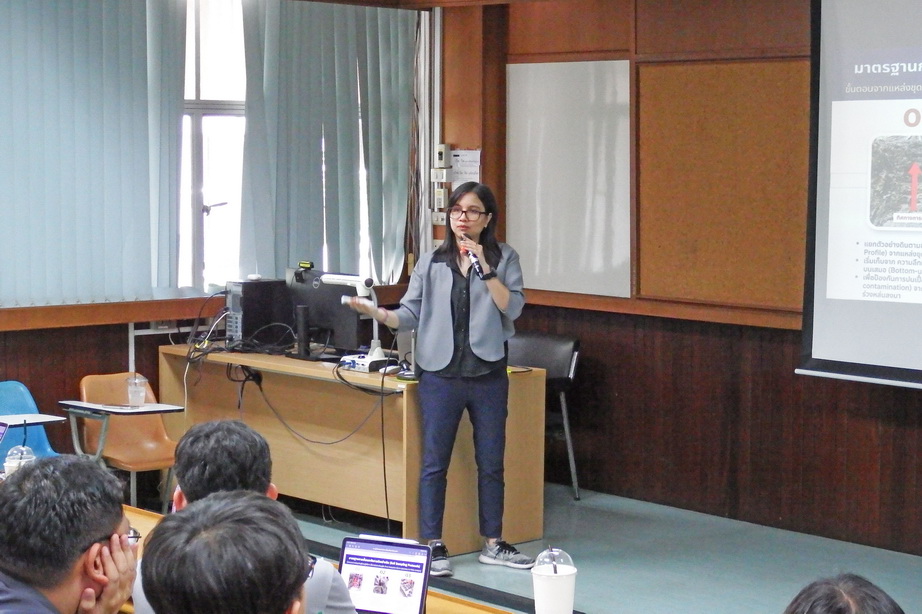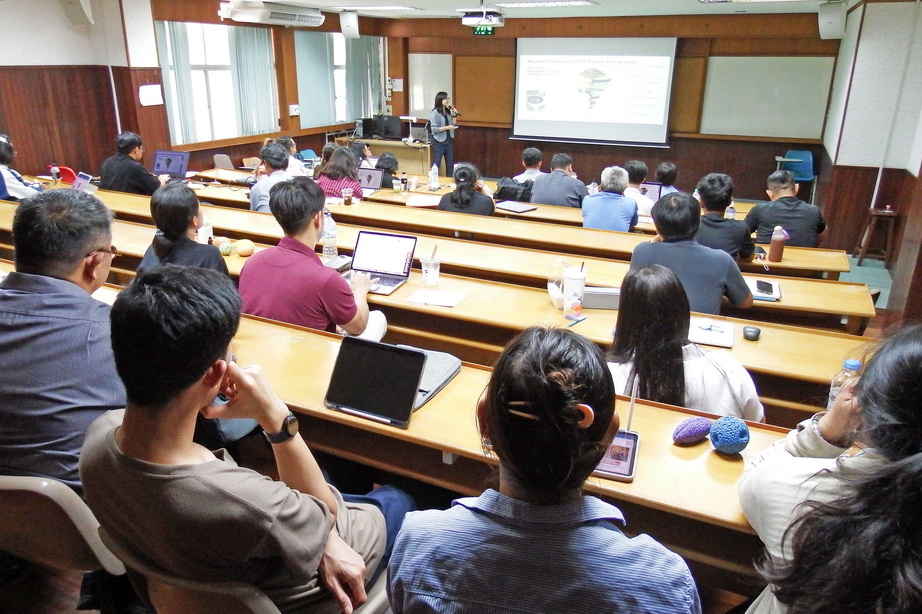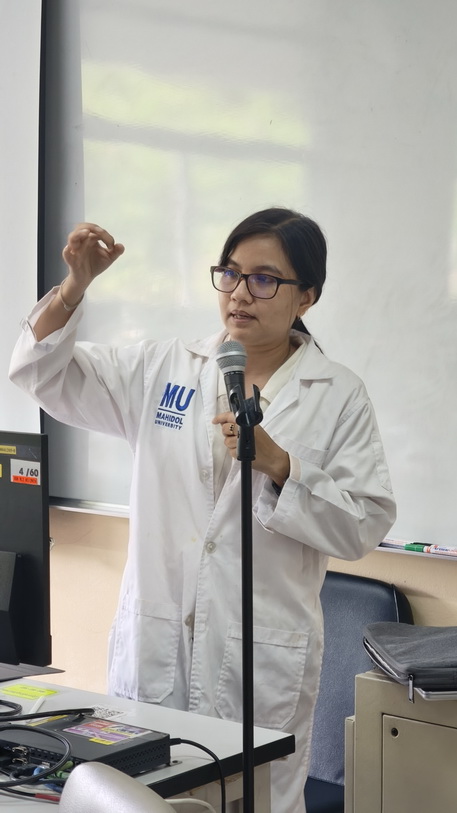

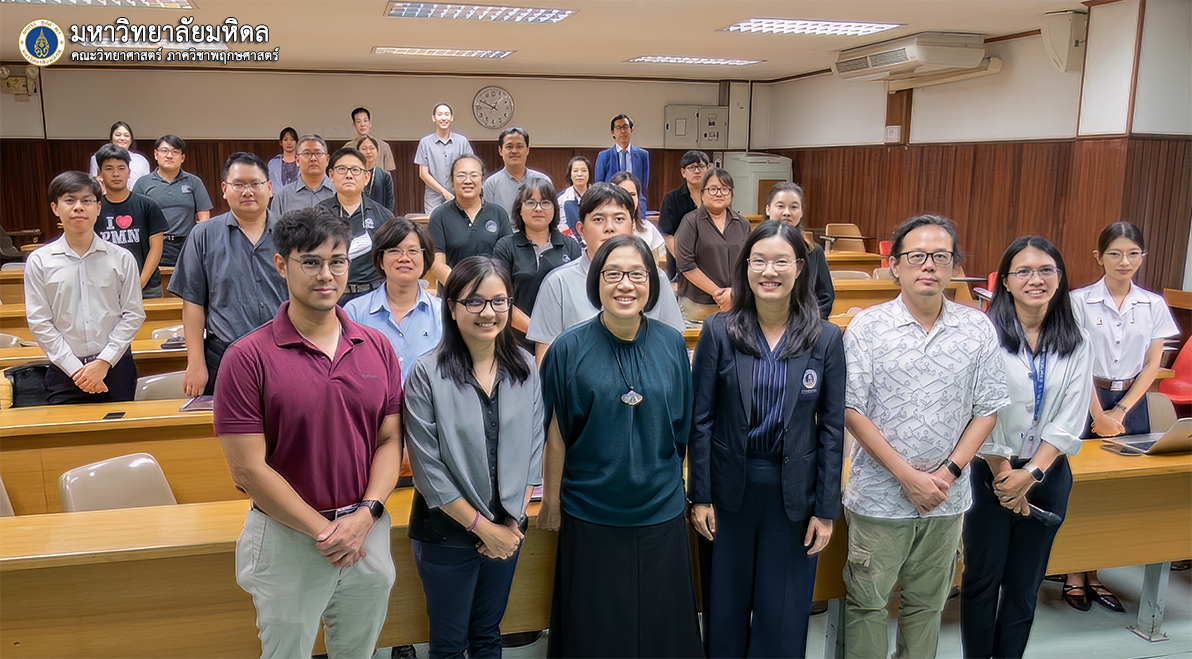
The Department of Plant Science, Faculty of Science, Mahidol University successfully organized the Archaeobotany Workshop on 11–12 June 2026 at the Faculty of Science, Mahidol University. The two-day workshop was designed to enhance participants’ knowledge and practical skills in archaeobotany, an interdisciplinary field that investigates the relationships between humans, plants, and past environments through the scientific analysis of archaeological plant remains.
The workshop featured a distinguished team of experts from Mahidol University and the Sirindhorn Anthropology Centre (Public Organization), who delivered both theoretical lectures and hands-on laboratory training. The program covered essential topics, including sampling strategies and flotation techniques for recovering plant remains from soil samples, pollen and phytolith analyses, identification of macrobotanical remains, and the principles and applications of ancient DNA (aDNA) in archaeological research.
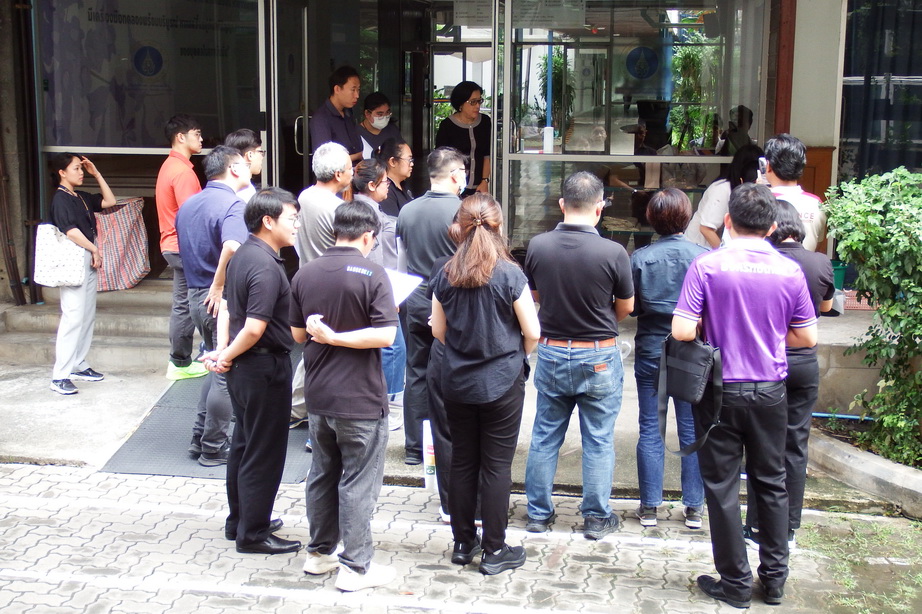
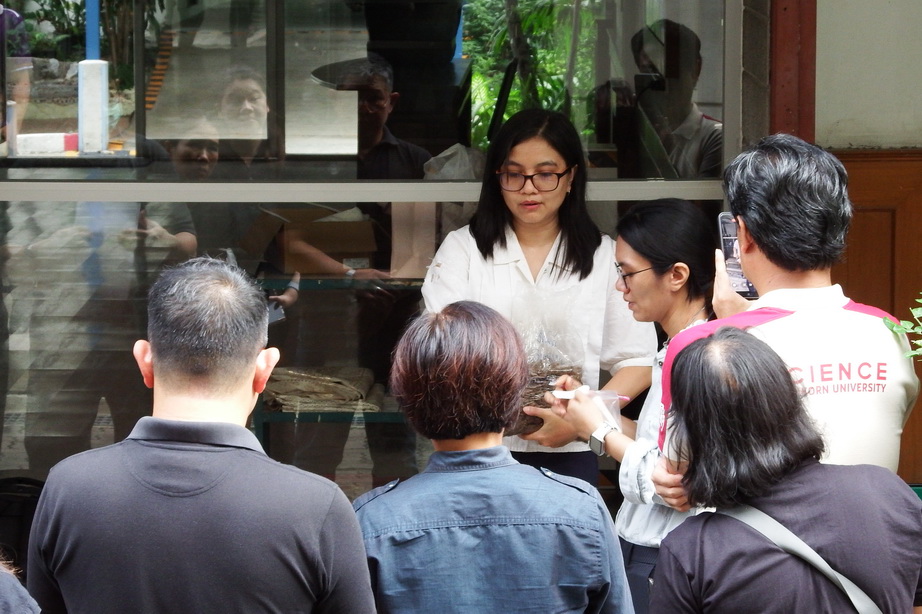
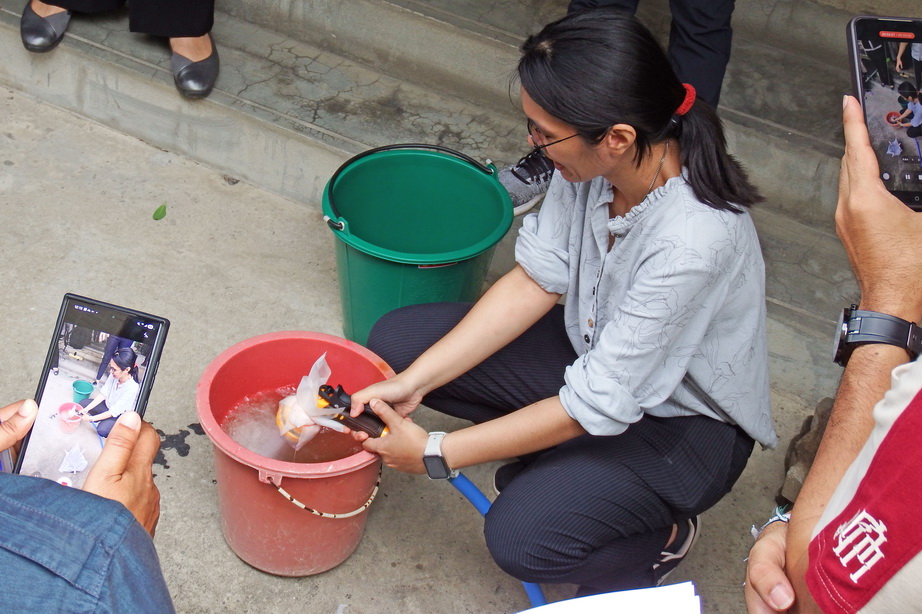
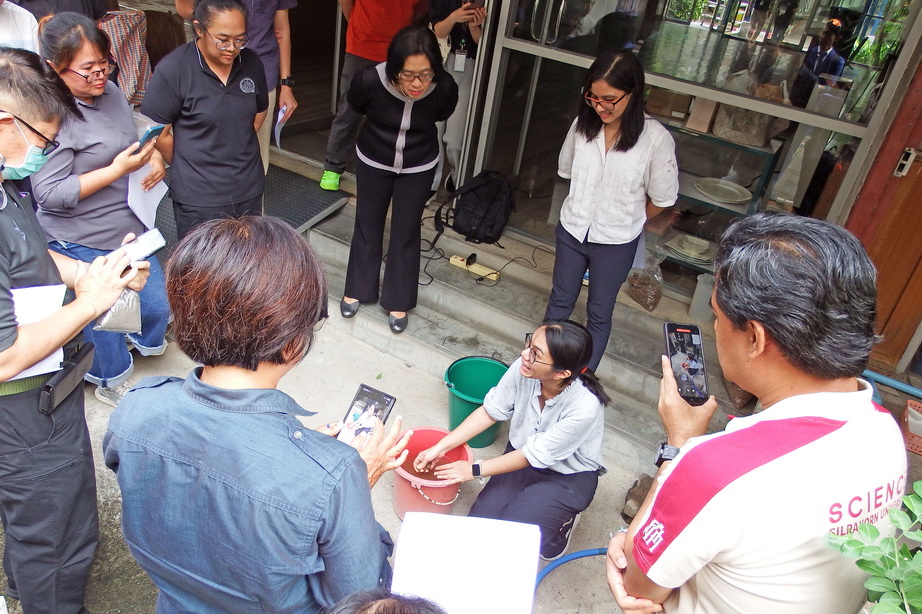
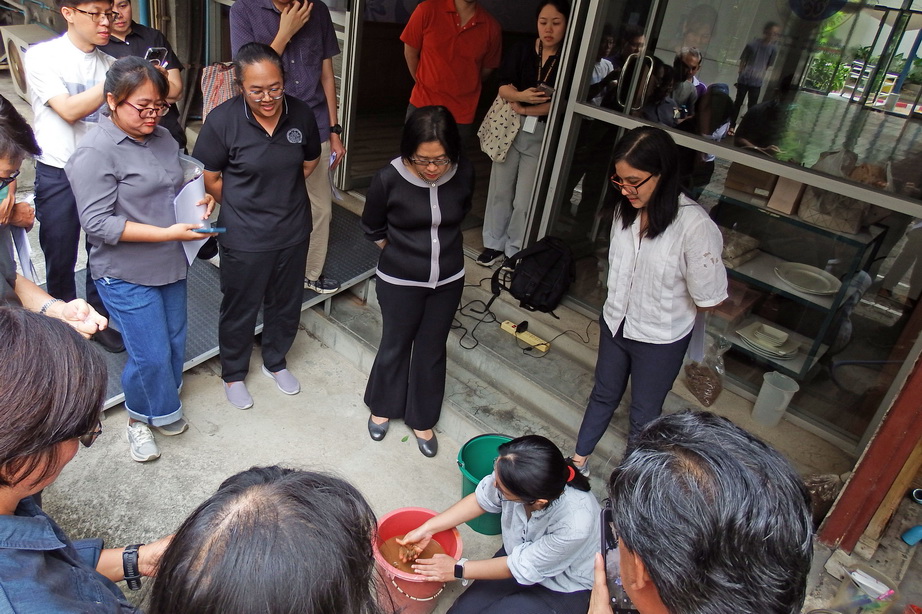
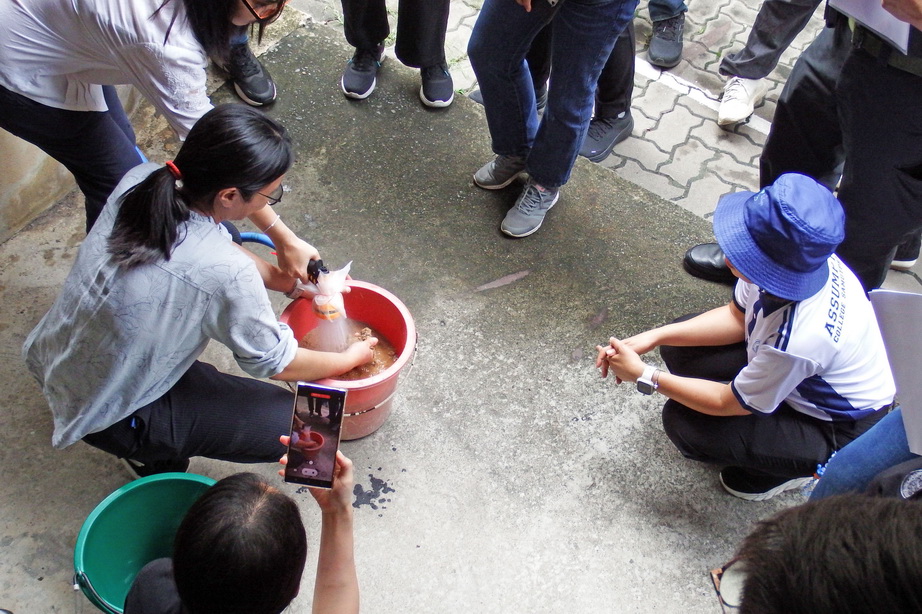
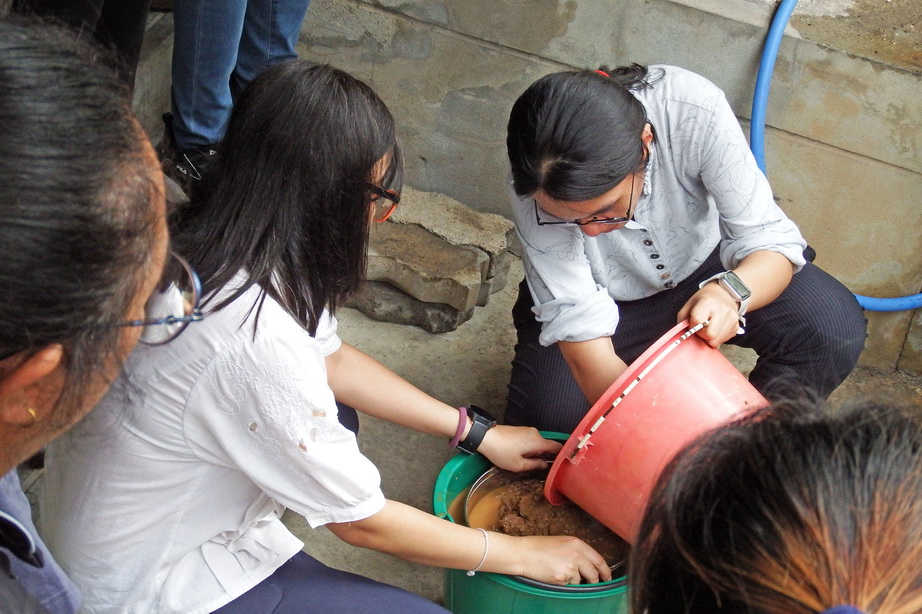
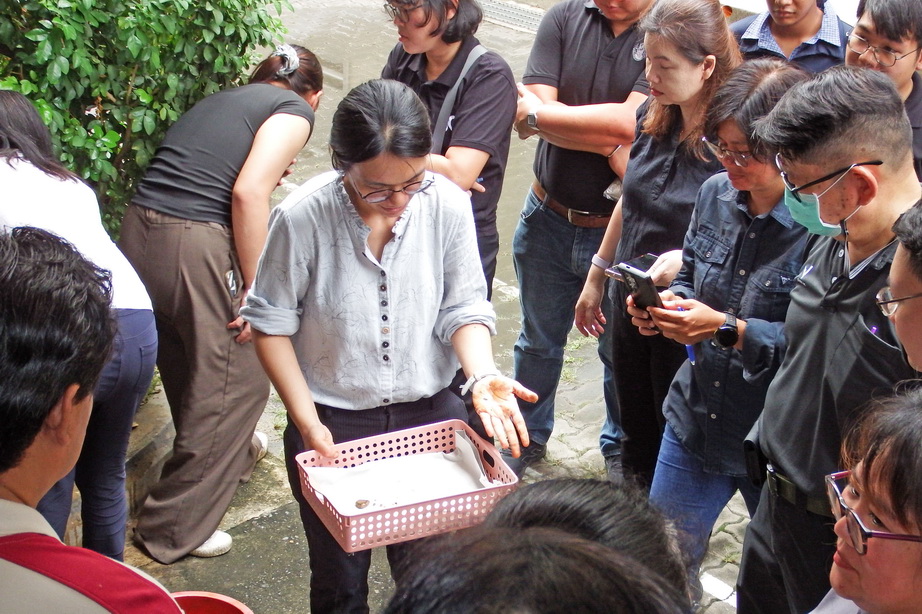
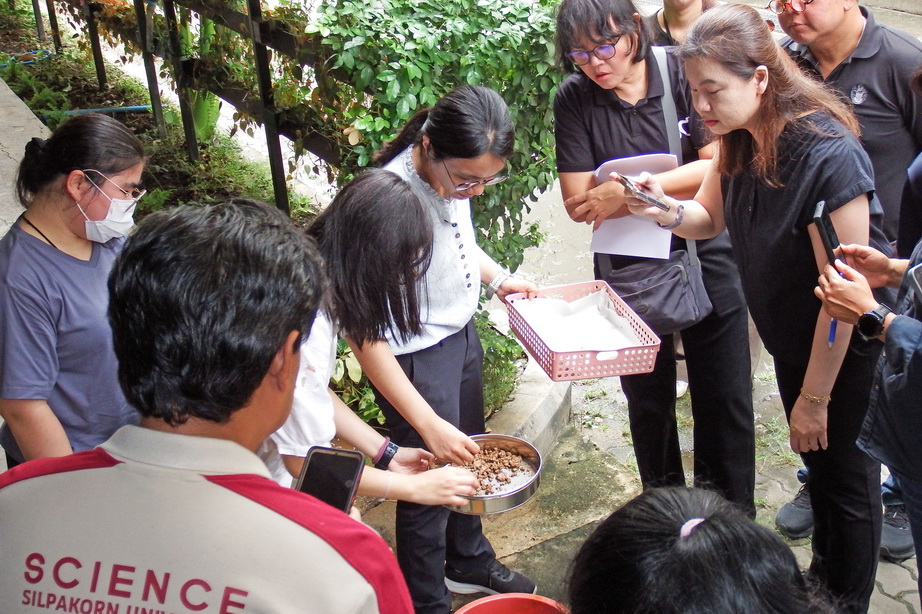
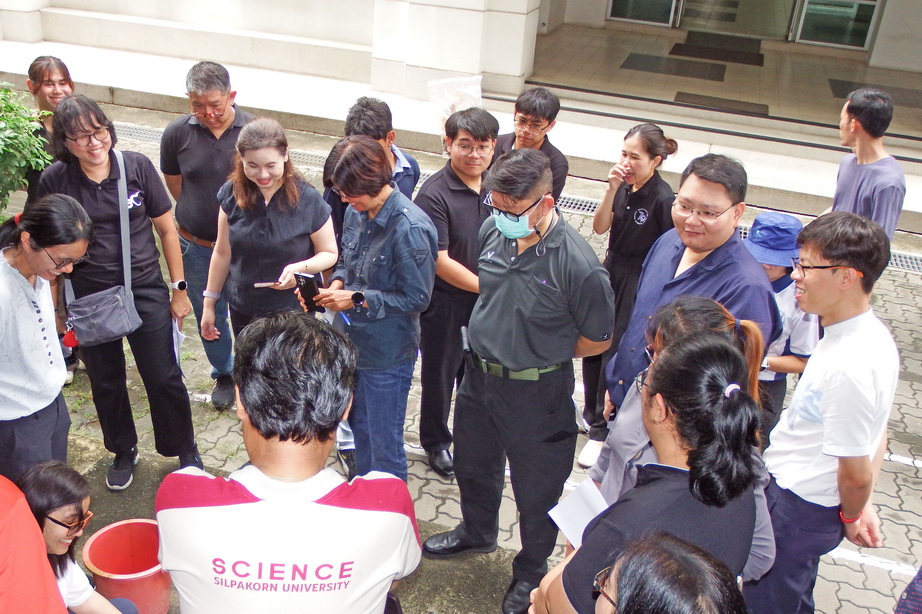
During the practical sessions, participants gained firsthand experience in laboratory techniques by processing soil samples using flotation methods to recover archaeobotanical remains. They also learned to operate scientific instruments and examine plant remains under microscopes, enabling them to understand the systematic procedures involved in archaeobotanical analysis, data interpretation, and research applications. The workshop attracted enthusiastic participation from students, researchers, archaeologists, and individuals with interests in archaeobotany from various institutions. Beyond acquiring technical knowledge, participants had valuable opportunities to engage in discussions with the instructors, exchange research experiences, and strengthen academic collaboration within this emerging interdisciplinary field.
The successful organization of this workshop represents another significant milestone for the Department of Plant Science, Faculty of Science, Mahidol University, in promoting archaeobotanical research and education in Thailand. By integrating expertise from botany, archaeology, and molecular biology, the workshop contributed to strengthening academic networks and enhancing professional capacity in the study of archaeological plant remains. It also reinforced the University’s commitment to advancing scientific research and supporting the conservation and interpretation of Thailand’s archaeological and cultural heritage in accordance with international standards.